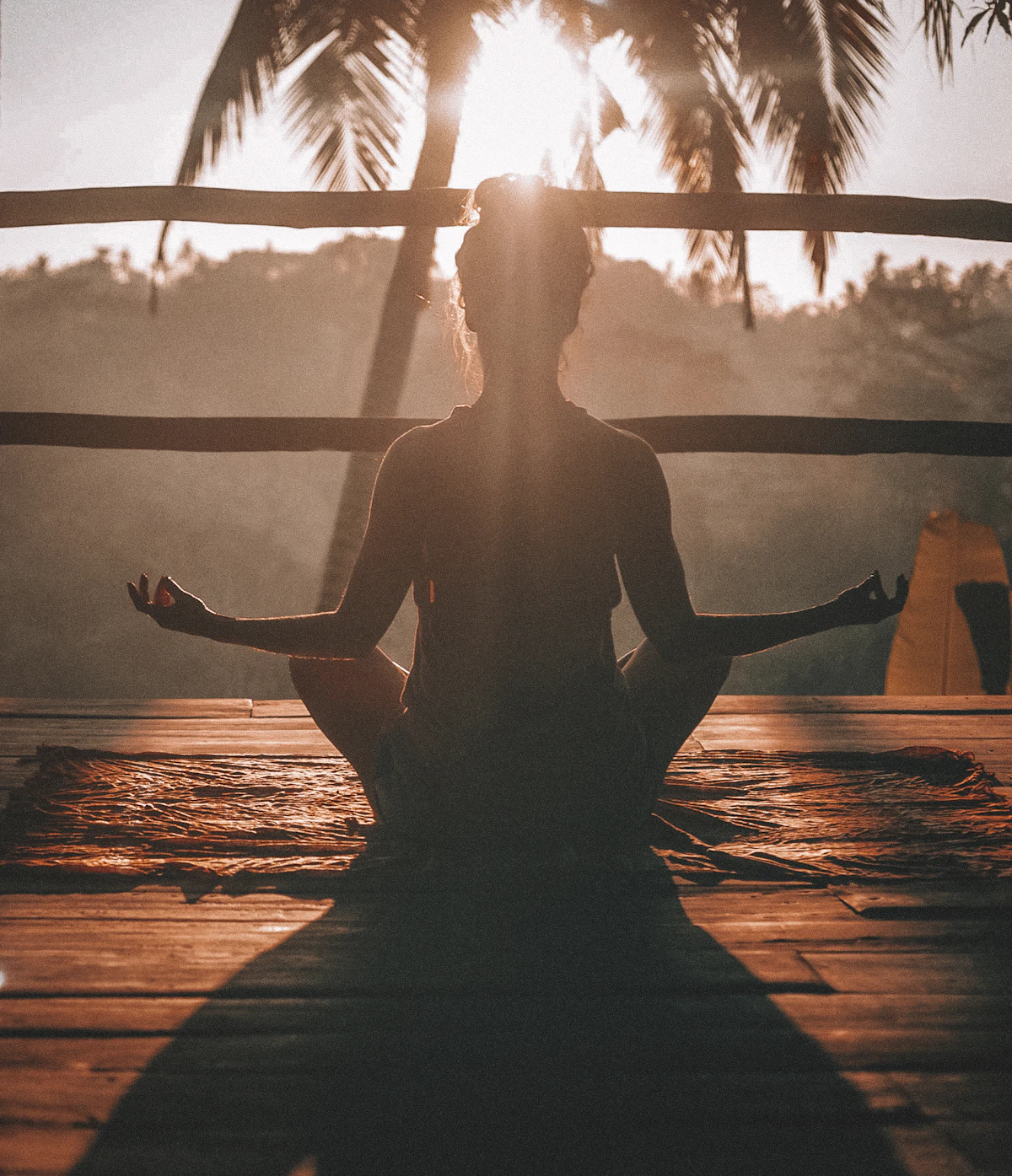
Meditation is the most studied mind-training practice in the history of psychology. Over 3,000 peer-reviewed studies confirm benefits ranging from cortisol reduction and blood pressure improvement to increased grey matter density in regions associated with emotional regulation and self-awareness. And the threshold for these benefits is surprisingly low — just 10 minutes a day.
What Meditation Actually Is (and Isn't)
Meditation is not about eliminating thoughts. It's about changing your relationship to thoughts — learning to observe them without being controlled by them. This deceptively simple shift, practised consistently, produces profound changes in emotional reactivity, resilience, and well-being.
The Science Says Start Small
Research from Harvard Medical School found measurable increases in cortical thickness (associated with attention and emotional processing) in participants who meditated for just 27 minutes per day over 8 weeks. More importantly, a 2014 study confirmed that even 10–15 minutes daily produces significant anxiety reduction within 4 weeks.
A Simple Starter Practice
- Find a comfortable seated position — chair, cushion, or floor. Keep your spine upright.
- Set a gentle timer for 10 minutes.
- Close your eyes and take 3 slow, deliberate breaths.
- Bring your attention to the physical sensation of breathing — the rise and fall of your chest, the air passing your nostrils.
- When thoughts arise (and they will), notice them without judgment and gently return to the breath.
- Continue for the full 10 minutes. At the end, take 3 breaths and open your eyes slowly.
Why Guided Meditation Accelerates Progress
Attempting to meditate without guidance is like trying to learn piano without a teacher. Guided meditation audio provides structure, pacing, and progressive deepening that self-directed practice cannot easily replicate. A good guide walks you through the technique, helps you recognise and release distracting thoughts, and builds session-by-session depth.
Our meditation library includes sessions ranging from 5-minute stress relief practices to 60-minute deep immersions, with music specifically composed to support each meditation style — from breath awareness to body scan, loving-kindness to open awareness.
Common Obstacles and How to Overcome Them
- "I can't stop thinking" — Nobody can. The goal is noticing thoughts, not eliminating them. Each return to the breath IS the practice.
- "I don't have time" — 10 minutes is less than 1% of your waking day. Morning, lunch, or pre-sleep all work.
- "I fall asleep" — Perfectly fine initially. Gradually sit more upright and meditate earlier in the day.
- "Nothing is happening" — Benefits are cumulative and often noticed by others before yourself. Track mood and stress levels weekly.